All UUID guides
Page 2 of 3, newest first.
UUID Regex — Six Steps to a Pattern That Holds
Strict RFC, v4-only, shape-only and brace-tolerant patterns with a live in-browser tester.
How Long Is a UUID? One Question, Five Answers, One Value
36 characters, 32 hex digits, 128 bits: the 8-4-4-4-12 layout and storage size per database.
UUID in PostgreSQL — A psql Session Log (18.6 and 17.11)
gen_random_uuid(), PostgreSQL 18's native uuidv7(), the uuid column type and primary-key strategy.
How to Generate a UUID in JavaScript & Node.js (2026 Guide)
crypto.randomUUID() with no dependency, runtime support table, and when the uuid package is still needed.
UUID vs GUID: Two Names, One History
Same 128-bit identifier under two names — plus the .NET byte-order trap that actually bites.
UUID in Python — Reading the uuid Module Line by Line
uuid.uuid4() and the whole stdlib uuid module, UUID v7 options, validation and Django/SQLAlchemy keys.
UUID vs ULID: A Decision Table and Its Grounds
Encoding, sortability and ecosystem trade-offs, and why UUID v7 changed the comparison.
UUID v4 vs v7 — Start From the Decision Table
Which UUID version to use: randomness vs sortability, index performance, and timestamp privacy.
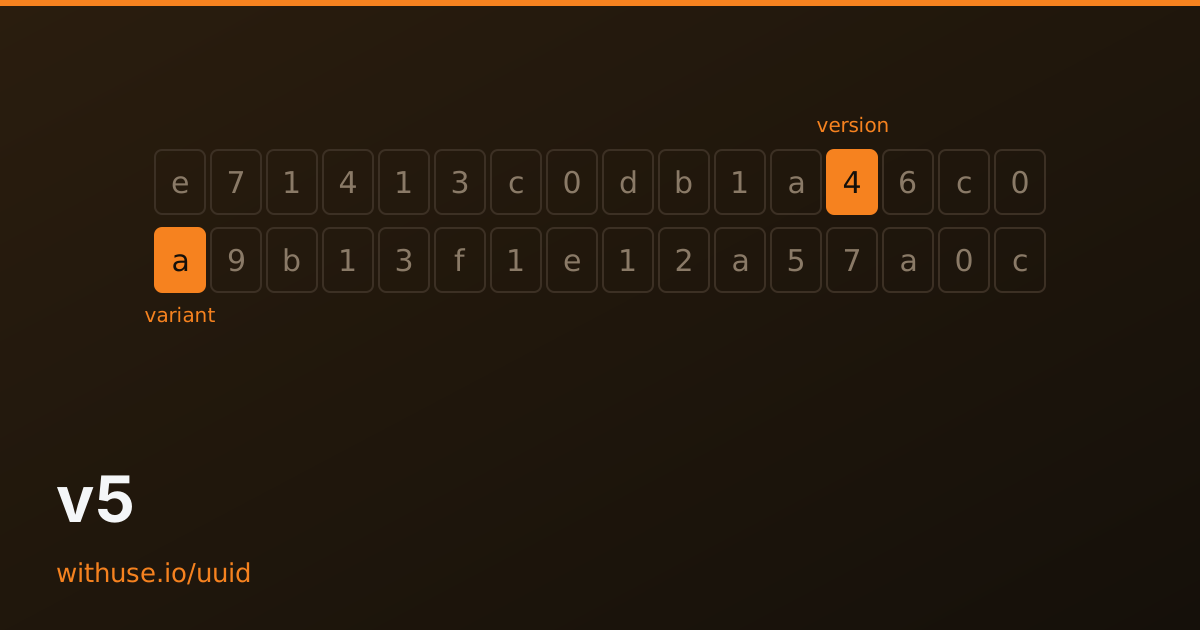
UUID v5 Generator — Is It Just v3 With SHA-1?
Deterministic SHA-1 namespace UUIDs, the RFC-recommended name-based version.
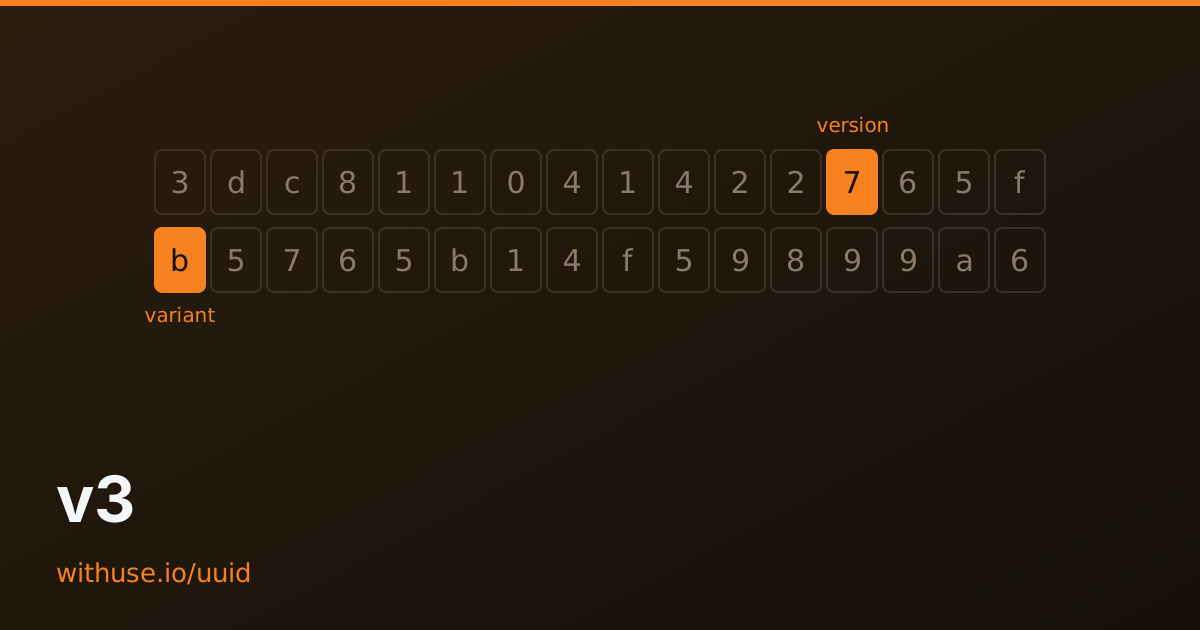
UUID v3 Generator: Namespace (MD5) UUIDs, and Who Can Make Them
Deterministic MD5 namespace UUIDs — same input, same output.
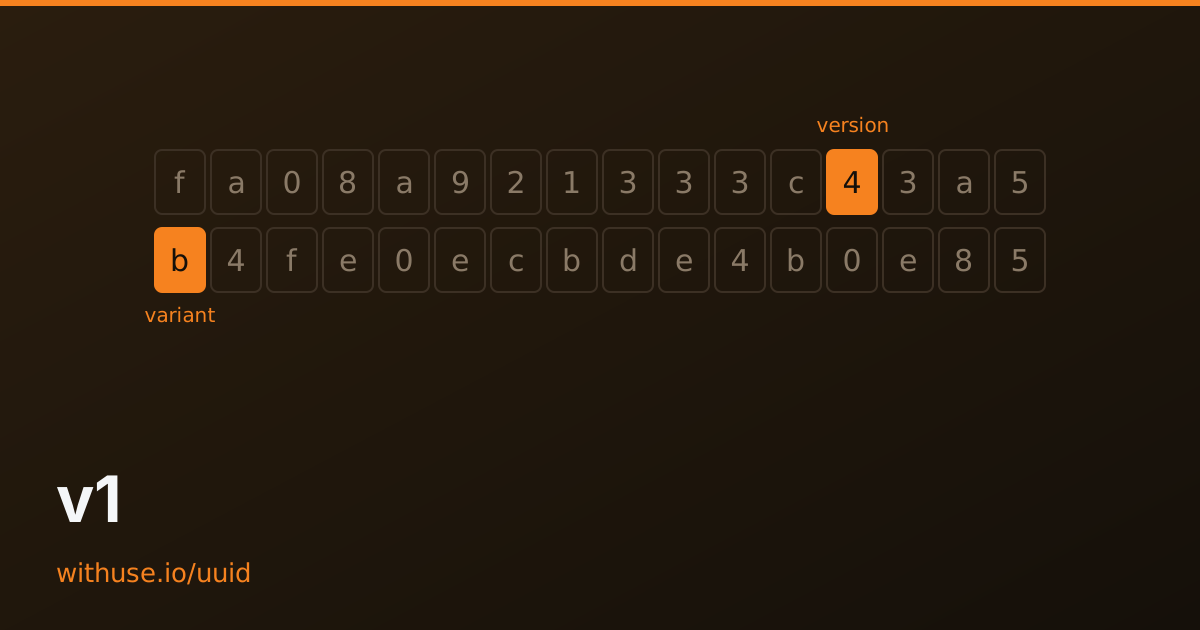
UUID v1 Generator: What Is Actually Inside the Value
Timestamp and node based UUIDs, the original Gregorian-epoch version.
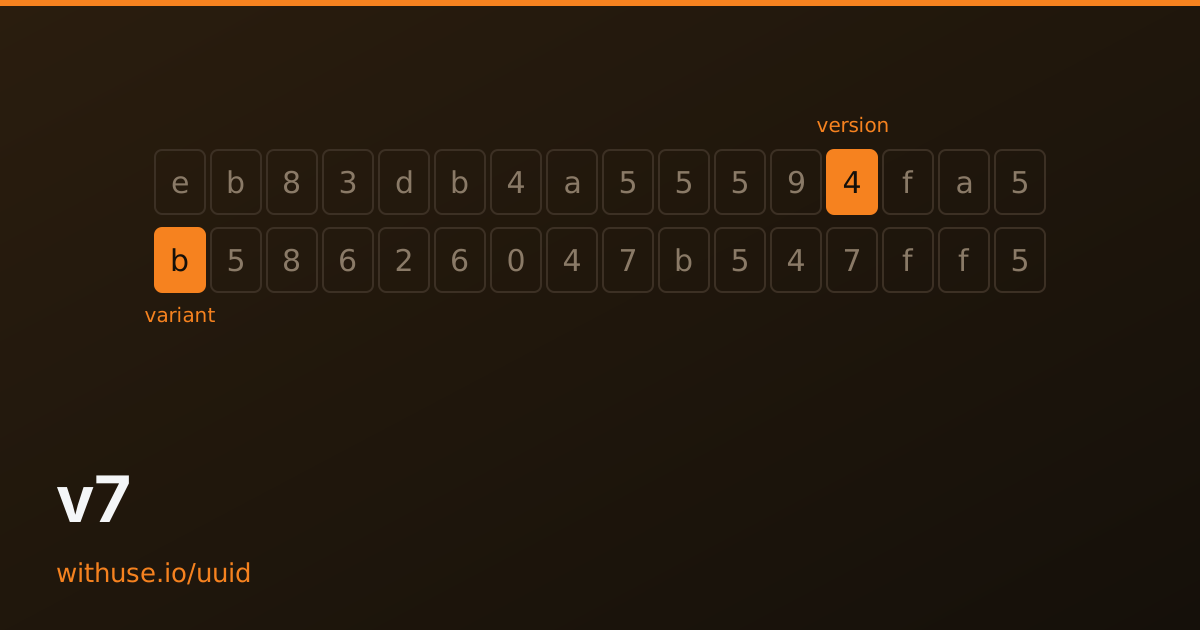
UUID v7 Generator — A Session With the Values
Time-ordered UUIDs (48-bit Unix ms timestamp + random) for database primary keys.