
Priya Nandakumar
Priya covers the two places where a system trusts something it did not compute: a token it was handed, and a schedule it was configured with.
Both fail quietly. A JWT whose signature nobody checked decodes exactly like one that was verified, and a cron expression with the wrong field count runs on a timetable nobody intended. The pages under this byline spend their length on the step that catches it rather than on the syntax.
The cron work leans on running the expressions and reading back what the parser matched, since the day-of-month and day-of-week fields are OR-ed rather than AND-ed and no amount of reading the line aloud makes that visible.
What this byline is strict about
12 posts under this byline
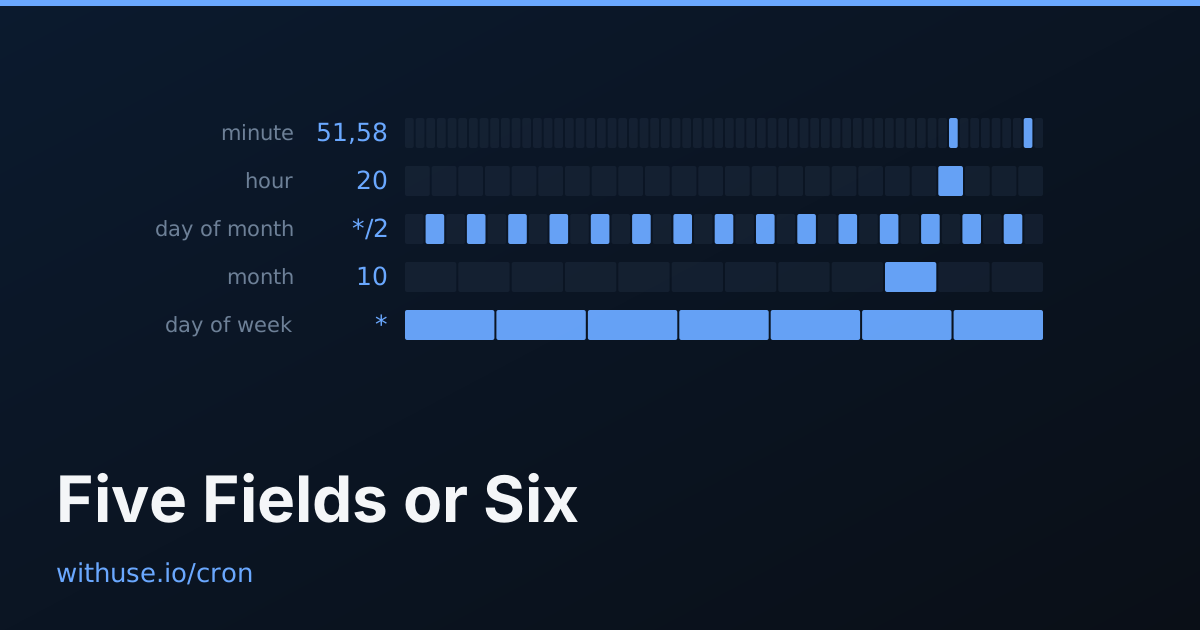
Cron Field Count — A Six-Field Expression Still Installs, and Runs Wrong
crontab reads five fields and calls the rest the command, so a six-field Spring expression installs and runs on a different schedule entirely.
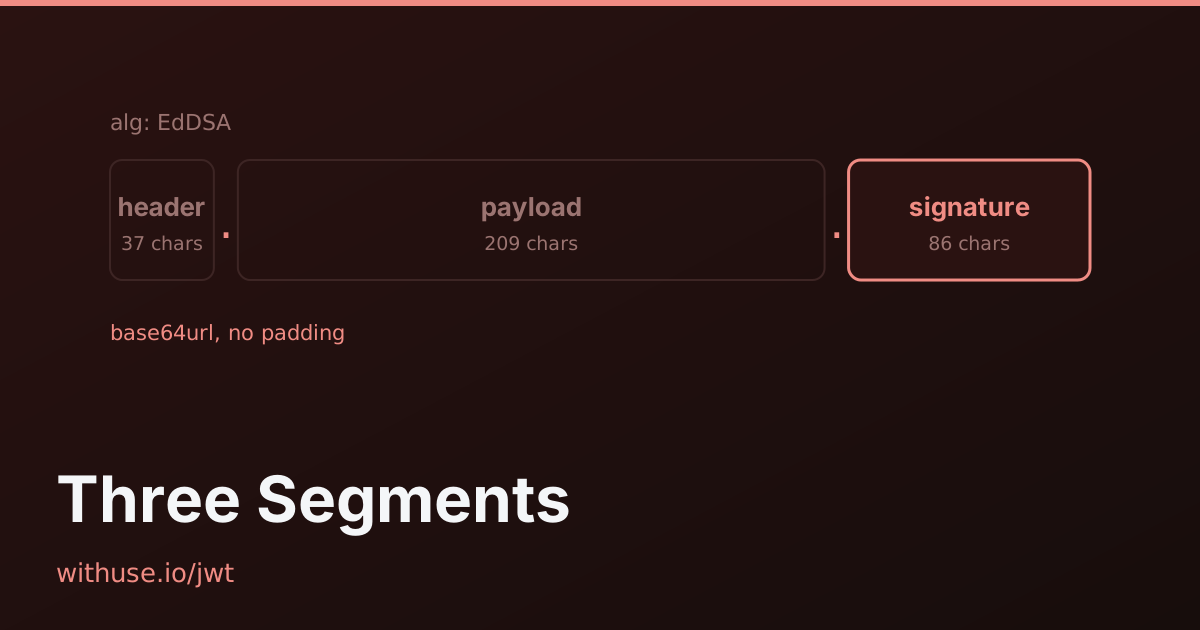
JWT Segments: The Header Decodes Everywhere, the Payload Does Not
The 27-byte header decodes in every runtime; seven of eleven standard-library calls fail on the payload or signature of the same token.
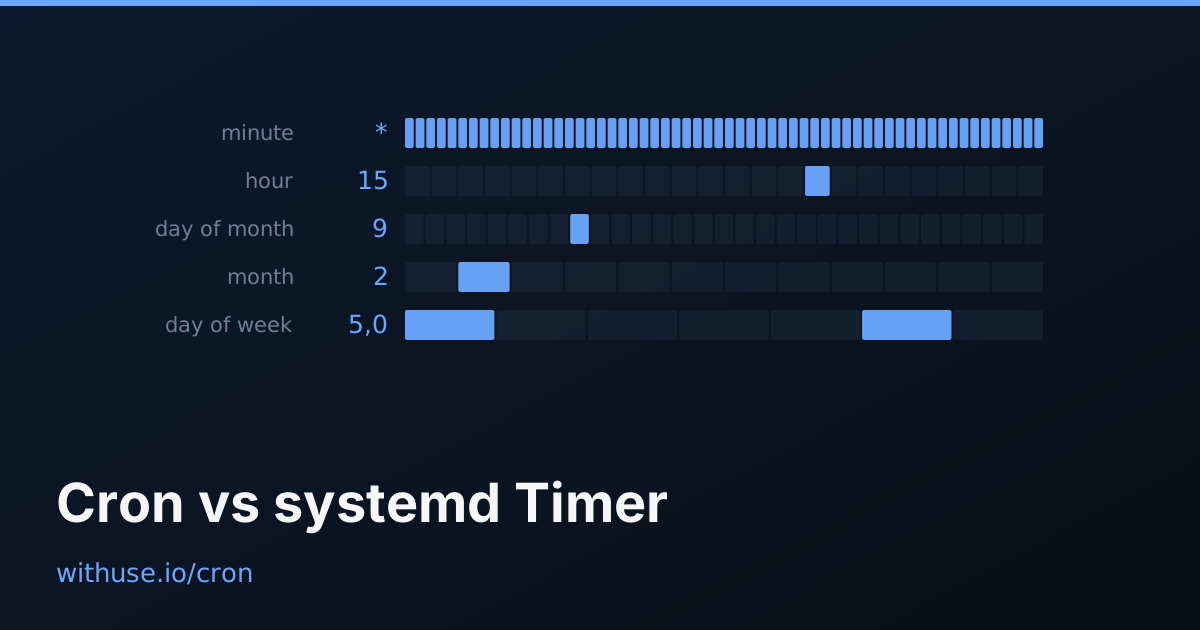
Cron vs systemd Timers — What You Get for the Extra Files
Two files instead of one line, in exchange for logging, missed-run catch-up and arbitrary intervals.
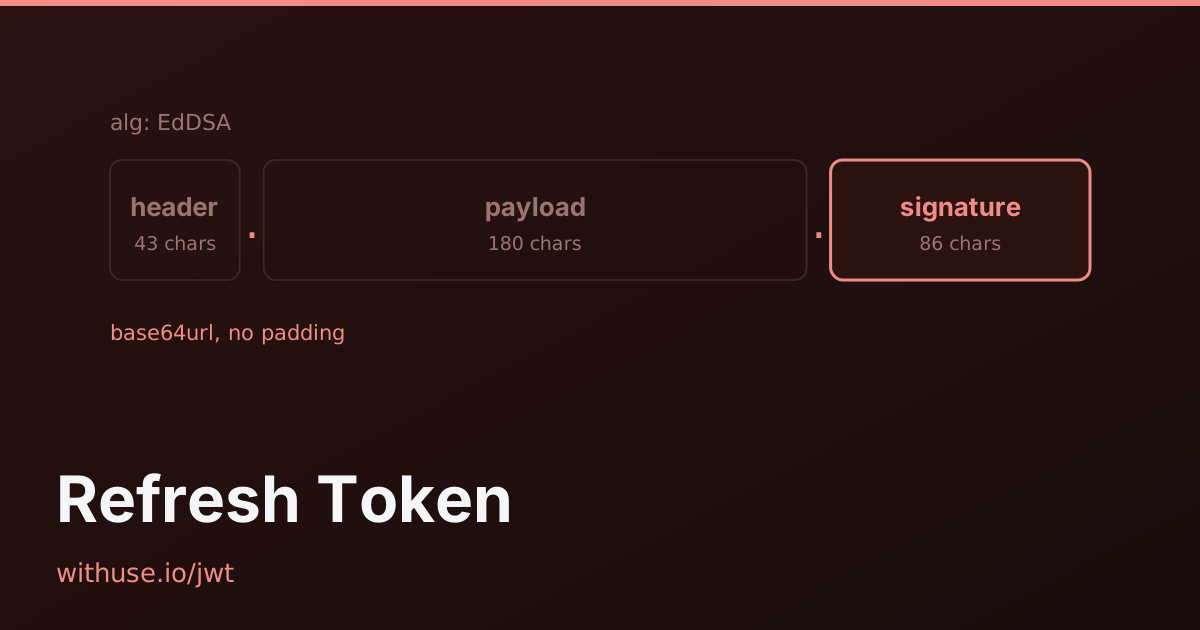
JWT Refresh Tokens: Getting Revocation Back
The split that buys revocation back, why the refresh token should not be a JWT, and what rotation detects.
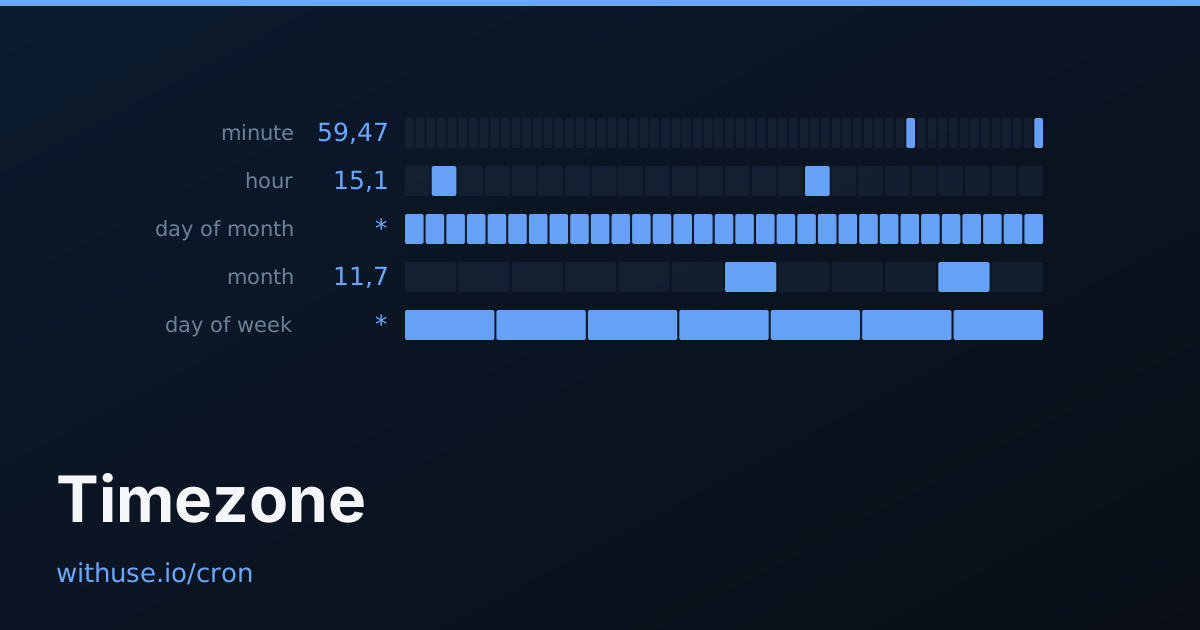
Cron and Timezones — The Two Days a Year It Goes Wrong
Local time means an hour vanishes each spring and repeats each autumn. CRON_TZ and the UTC fix.
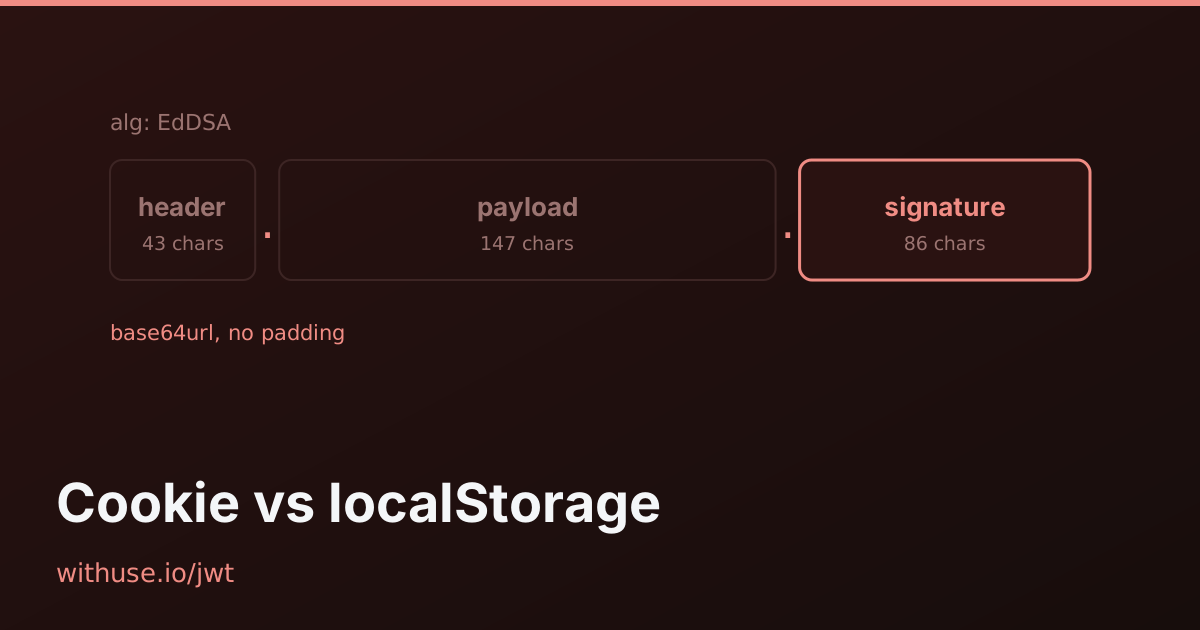
Where to Store a JWT: httpOnly Cookie vs localStorage
localStorage is readable by every script; an httpOnly cookie is not — and is sent automatically.
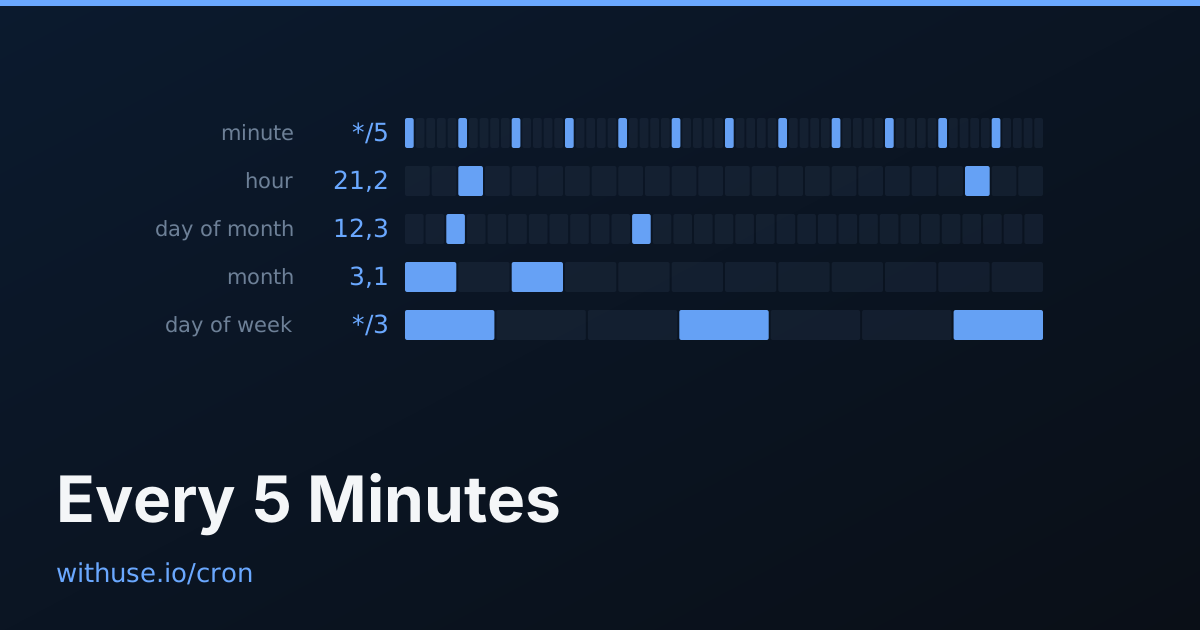
Cron Every 5 Minutes — And Why */45 Does Not Do What You Think
*/5 works, but a step that does not divide 60 restarts hourly — */45 fires 45 minutes apart, then 15.
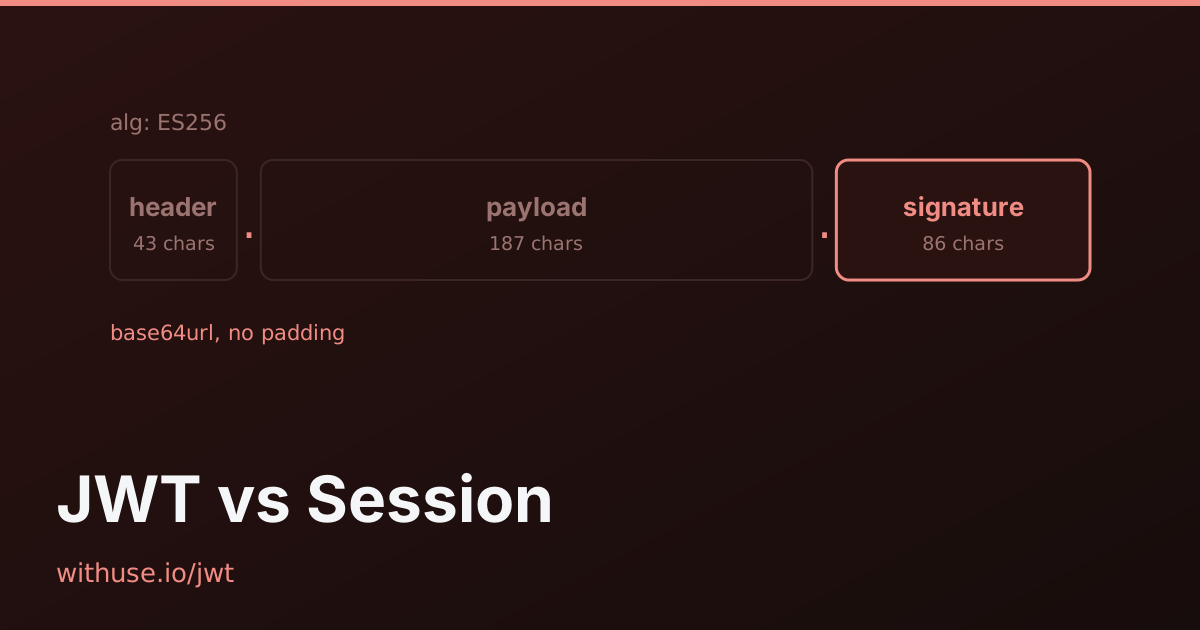
JWT vs Session Cookies: The Revocation Problem
43 bytes and revocable versus 324 bytes and not. The revocation problem and the refresh-token split.
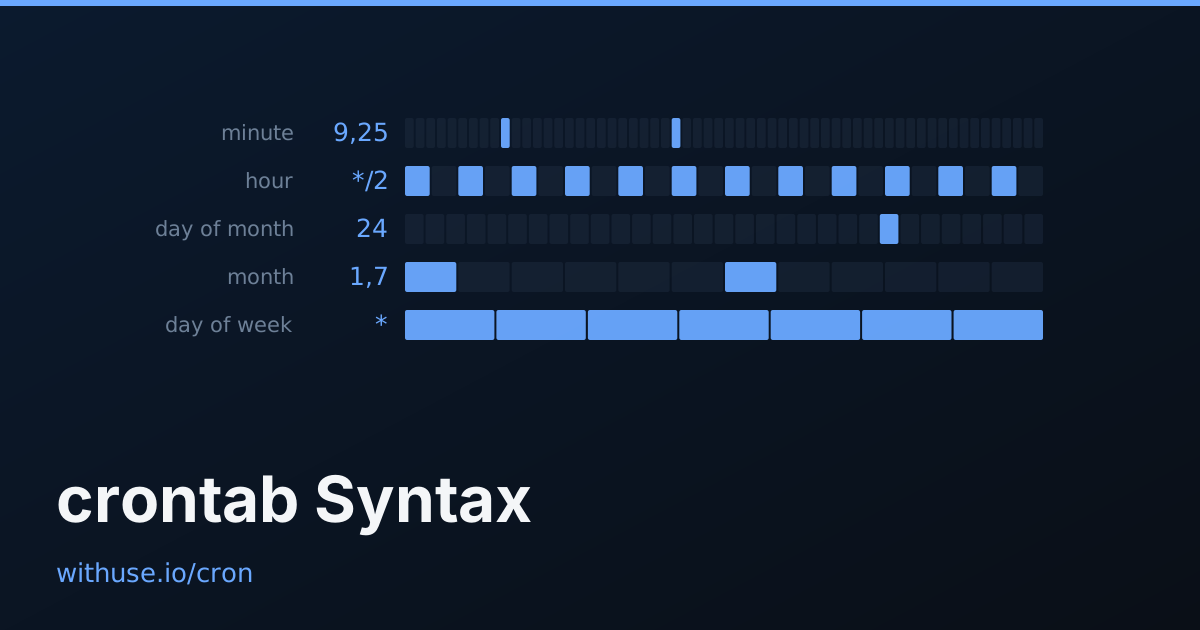
Crontab Syntax — The Five Fields, Explained with Real Run Times
The five fields, what each accepts, step-value semantics, and common expressions with their real next run times.